

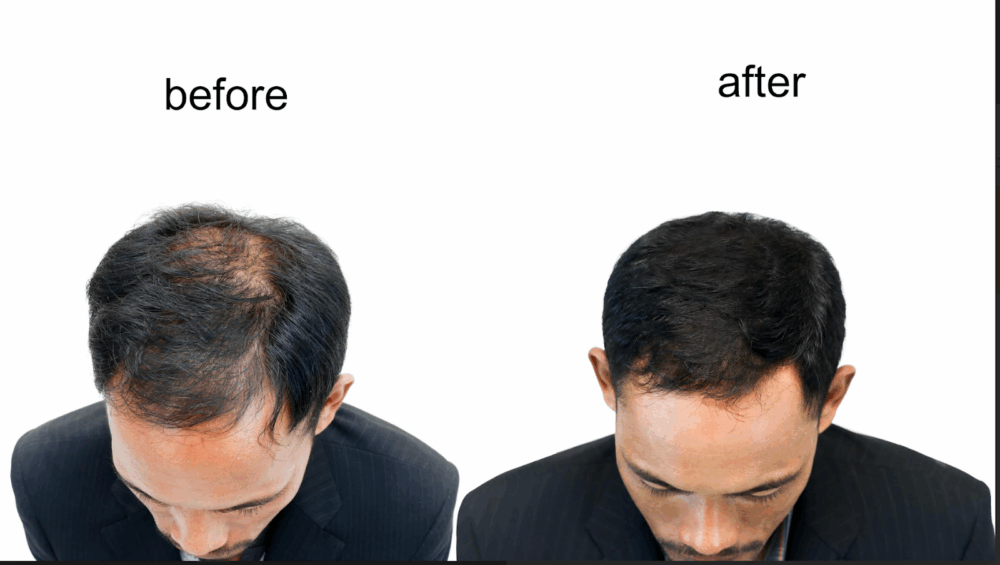
A lot of people ask about finasteride alternatives because they want to keep their hair without dealing with the side effects that some medications can cause. Hair loss can come from many different things, including family history, hormone changes, stress, and the way someone lives day to day. Finasteride is widely used, but it is not the only treatment available. Talking through the available options can help a patient pick the approach that feels right for their situation.
How Finasteride Works and Adjusting Dosage
Finasteride helps slow hair loss by limiting the hormone DHT, which can make hair thinner and weaker over time. Not every patient can take finasteride, and some prefer to look at other ways to manage hair loss. For those who do take it, discussing finasteride dosage options or finasteride mg options with a doctor can help tailor the treatment to their needs. A smaller daily dose than the usual 1 mg can often be effective while reducing the chance of side effects.
Topical Treatments as Finasteride Alternatives
Many patients look at topical treatments as a way to manage hair loss without taking oral medications. Minoxidil, which comes in liquid or foam forms, can help strengthen hair by improving blood flow to the follicles and keeping them in the growth phase longer. Since minoxidil does not impact hormone activity, it is often recommended for patients who cannot use or would rather avoid DHT-blocking medications. Some doctors are also using low-dose oral minoxidil under careful supervision to help certain patients see better overall hair growth.
Adjusting Finasteride: Dosage Options and MG Variations
For patients who want to continue with finasteride but need to limit side effects, discussing finasteride dosage options or finasteride mg options with a doctor can be very useful. While the usual dose for men is 1 mg daily, some patients do well on a smaller amount, which can reduce unwanted effects while still helping protect hair. Doctors may also suggest adjusting the schedule or dose depending on how the patient responds and tolerates the medication.
Other Pharmacological Options
Another option for patients looking beyond finasteride is dutasteride. This medication works on both types of the 5-alpha-reductase enzyme and is generally stronger than finasteride. Because of this, it may have a higher chance of side effects. Some doctors suggest using lower doses of dutasteride along with topical treatments like minoxidil. Using them together can support hair growth while reducing the total amount of medication the body receives.
Procedural and Non-Drug Alternatives
For people who would rather not take medication, there are other ways to support hair growth. Platelet-rich plasma therapy uses small amounts of the patient’s own blood. The growth factors taken from a patient’s own blood are put on the scalp to help hair that has thinned or stopped growing start to recover. Low-level laser therapy, whether done at home or in a clinic, can make existing hair stronger and give the appearance of thicker strands. Microneedling is another option. It creates tiny, gentle openings in the scalp that let hair treatments soak in better and can encourage new hair to grow.
Lifestyle and Nutritional Support
Eating well and taking care of daily habits can make a real difference when looking at finasteride alternatives. Getting enough protein, important vitamins and minerals, and making sure stress and sleep are managed can all help support stronger, healthier hair. Supplements containing biotin, zinc, and other trace elements may support follicular function in conjunction with medical therapies.
Personalized Treatment is Key
Hair loss affects each person in different ways, so the right treatment can be different for everyone. Visiting a doctor for a full checkup, which includes looking at hormone levels, scalp health, and family history, is important to figure out whether finasteride alternatives or different finasteride mg options will work best. It helps to check in with your doctor often so you can see how things are going, make changes if needed, and handle any side effects as they come up.
Conclusion
Finasteride is still a widely used option for hair loss, but there are now many other ways to treat it in 2025. There are a few ways to help keep your hair and encourage it to grow again. You might use creams or foams on your scalp, take medication by mouth, try treatments at a clinic, or make small changes in your daily routine. Working closely with your doctor about finasteride dosage options or finasteride mg options, as well as other treatments, can help you figure out the plan that fits you best.