

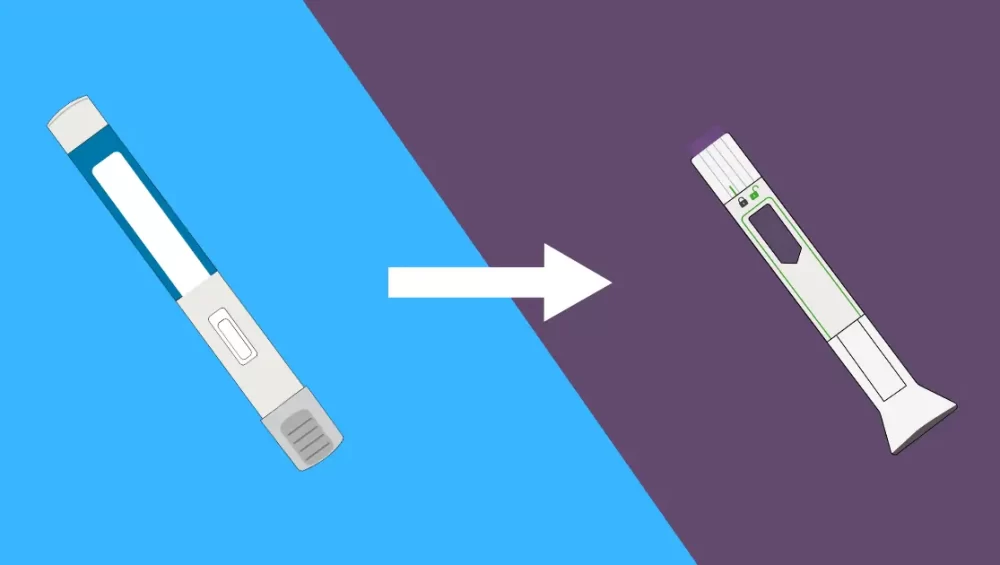
Switching medications can be a daunting decision. If you plan to switch from Tirzepatide to Semaglutide, you’re not alone. Many people explore this option for various reasons. Both medications are used to manage type 2 diabetes and aid in weight loss.
Understanding the differences between these drugs is crucial. Tirzepatide and semaglutide work in unique ways to control blood sugar and promote weight loss.
Consulting with a healthcare provider is essential before making any changes. They can guide you through the process and help determine the best option for your needs.
This article will explore the benefits, challenges, and considerations of switching from tirzepatide to semaglutide.
Understanding Tirzepatide and Semaglutide
Tirzepatide and semaglutide are both valuable tools for managing type 2 diabetes. Each has distinct properties that affect how they work.
Tirzepatide is a dual-action drug. It acts as both a GIP and GLP-1 receptor agonist. This dual function helps control blood sugar effectively.
Semaglutide, on the other hand, is a GLP-1 receptor agonist only. It is still highly effective at lowering blood sugar and supporting weight loss.
- Tirzepatide: Dual GIP and GLP-1 action
- Semaglutide: GLP-1 action only
Despite their differences, both medications can improve diabetes management. Choosing between them often depends on individual health needs and responses.
Reasons for going from Tirzepatide to Semaglutide
Switching from tirzepatide to semaglutide may be necessary for several reasons. Personal preference and side effects can play a major role. While tirzepatide shows impressive results, not everyone may find it suitable.
Cost is another significant factor. Semaglutide may be a more affordable option for some people. Insurance coverage often dictates which medication becomes the practical choice.
Here are common reasons to consider making the switch:
- Experiencing severe side effects with tirzepatide
- Cost and insurance coverage preferences
- Personal or lifestyle reasons
Consulting a healthcare provider ensures a safe switch. They can help assess whether semaglutide better suits your health needs. Ensuring a smooth transition involves careful planning and professional guidance.
Is Tirzepatide Better Than Semaglutide?
The debate over whether tirzepatide is better than semaglutide involves multiple factors. Each medication has its strengths and specific suitability for individuals. Tirzepatide is a dual agonist, offering potentially superior weight loss results.
Semaglutide excels in accessibility with its oral and injectable forms. Patient preference may lean towards the flexibility of semaglutide’s administration. These aspects significantly affect personal choices and outcomes.
Key considerations in deciding which is better include:
- Weight loss efficacy and targets
- Mode of administration (oral vs. injectable)
- Personal health goals and conditions
Ultimately, the answer depends on individual responses and goals. Consulting a healthcare professional provides tailored advice. They consider clinical evidence and personal health profiles to guide this decision.
How to Safely Switch from Tirzepatide to Semaglutide
Switching from tirzepatide to semaglutide requires careful planning and medical supervision. It’s essential to consult with your healthcare provider before making any changes. They will help assess if transitioning is suitable for you.
A gradual transition allows your body to adjust to semaglutide’s effects. Medical professionals can provide a tapering schedule. This helps minimize potential withdrawal symptoms. Monitoring your health closely during this period is vital.
Your provider will likely recommend regular check-ups. These ensure the medication switch is having the desired effects. They also help manage any unexpected side effects. Being proactive is crucial for a successful transition.
When planning your transition, consider:
- Insurance coverage changes
- Personal preferences and lifestyle
- Current health conditions
Remember, every individual’s response can vary. Patience and open communication with your healthcare provider are key. This approach supports a safe and effective transition.
Adjusting Dosage and Monitoring Side Effects
Dosage adjustments play a critical role when switching medications. Your healthcare provider will suggest the most appropriate starting dose. This often begins lower and increases gradually over time.
Careful monitoring during this period can identify side effects early. Possible side effects include gastrointestinal issues and nausea. Being vigilant helps address these quickly.
Key strategies include:
- Keeping a symptom diary
- Reporting any adverse effects promptly
- Following medical advice for dosage adjustments
Regular follow-ups allow for timely interventions. Your doctor’s input ensures that the dosage aligns with your body’s needs. This minimizes risks and promotes better management.
What to Expect During the Transition
During the transition, it’s normal to experience some changes. Your body may take time to adjust to the new medication. Expect some fluctuation in blood sugar levels initially.
You might also notice changes in how you feel physically. Monitoring your body’s response closely helps manage any unexpected shifts. Your healthcare provider will guide you in interpreting these signals.
It’s important to remain patient and committed. The initial weeks might bring challenges. However, with perseverance and professional guidance, you’ll likely see improvements over time.
Comparing Effectiveness and Side Effects
Effectiveness and side effects are crucial when comparing tirzepatide and semaglutide. Both medications help manage type 2 diabetes and aid weight loss. However, individual responses can vary.
Studies indicate tirzepatide may offer superior weight loss results. In contrast, semaglutide might be preferred for flexibility in administration due to its oral form availability. Each drug’s effectiveness depends on personal health factors.
Side effects, such as nausea and digestive issues, are common with both medications. Factors to consider include:
- Tolerability in daily life
- Severity and duration of side effects
- Personal health conditions impacting medication response
Careful monitoring can help manage these effects. Consulting healthcare professionals offers personalized insights, ensuring the best fit for your needs.
Cost, Insurance, and Accessibility Considerations
Cost is a key factor when considering medication options. Tirzepatide and semaglutide can be expensive without insurance coverage. It’s important to explore your insurance plan’s details to see what’s covered.
Accessibility might also affect your decision. Availability of these medications can vary based on location and pharmacy inventory. Consider the following:
- Coverage options
- Out-of-pocket expenses
- Pharmacy availability
Discussing with your healthcare provider can help navigate these considerations. They can offer alternative plans if cost or access is an issue.
Brands under Tirzepatide
Brands under Semaglutide
Key Takeaways and Next Steps
Switching from tirzepatide to semaglutide requires careful planning and medical advice. Understanding each medication’s benefits and drawbacks helps in making an informed decision.
Consult your healthcare provider for personalized guidance. Regular monitoring and lifestyle adjustments aid in achieving optimal results. Your health journey is personal, and the right choice can vary from one person to another.